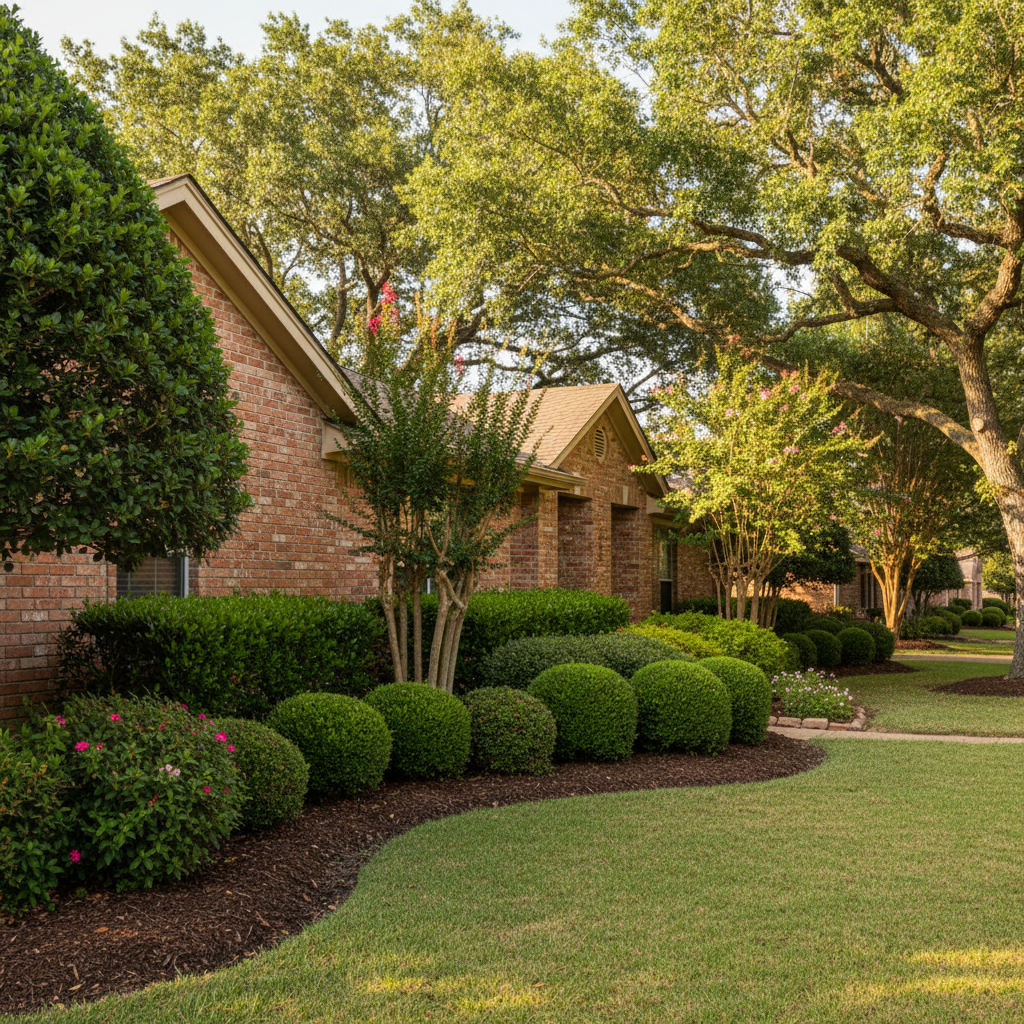
You'd think trimming shrubs and bushes would be straightforward, right? Just cut 'em back. But I've seen enough botched jobs and frustrated homeowners around La Grange to tell you it's not always that simple. Folks often make a few key mistakes when they're planning or hiring for this kind of work, and it can cost them time, money, and even the health of their plants.
Mistake #1: Not Knowing What Your Plants Actually Need
This is probably the biggest one. Not all shrubs are created equal, and they don't all need the same kind of trim. Some plants, like your azaleas or hydrangeas, bloom on old wood. If you prune them at the wrong time of year, you're cutting off all next season's flowers. Then you're left wondering why your yard looks bare.
Other plants, like hollies or ligustrum, can handle a harder trim and respond well to shaping. Knowing the difference is crucial. A good pro isn't just going to hack away; they'll know the growth habits of common La Grange plants and prune accordingly. If a contractor can't tell you *why* they're pruning a certain way or *when* the best time is for your specific plants, that's a red flag.
Mistake #2: Hiring the Cheapest Bid Without Asking Questions
I get it, everyone wants a good deal. But when it comes to plant care, the cheapest bid often means the least experienced or least reputable crew. I've seen guys with a pickup truck and a pair of shears call themselves landscapers. They might offer a super low price, but what are you really getting?
- Are they insured? If they damage your property or, worse, injure themselves, are you liable?
- Do they have the right tools for the job? Using dull or incorrect tools can tear branches, leaving your plants open to disease.
- Do they clean up after themselves? You don't want to be left with a pile of trimmings and sawdust.
- Do they understand plant health? Or are they just cutting for aesthetics, potentially harming the plant long-term?
Always ask for proof of insurance, and don't be afraid to ask about their experience with specific plant types you have. A professional, like us at Mighty Tree, will be happy to answer these questions and show you their credentials.
Mistake #3: Waiting Too Long Between Trims
Shrubs and bushes aren't like a haircut you can put off for months. Regular, proper trimming helps maintain their shape, promotes healthy growth, and prevents them from becoming overgrown. When you let them go too long, they can get leggy, woody, and out of control. Then, when you finally do get them trimmed, you often have to take off a lot more material, which can shock the plant or leave it looking sparse and unnatural.
Think about the dense clay soil we have around here. Plants need all the help they can get to thrive. Regular, light pruning is much better for plant health than drastic cuts every few years.
Mistake #4: Focusing Only on Aesthetics, Not Plant Health
Sure, you want your bushes to look neat and tidy. But a good trim isn't just about making things pretty. It's about promoting the plant's health. This means removing dead or diseased branches, improving air circulation within the plant, and encouraging new, strong growth. Sometimes, making a plant healthy might mean a temporary less-than-perfect look, but it pays off in the long run.
If a contractor is only focused on making a perfect sphere or square without considering the natural growth habit or internal structure of the plant, they might be doing more harm than good. A true arborist or plant care specialist understands the biology behind the trim.
Mistake #5: Not Communicating Your Expectations Clearly
Before any work starts, you need to be crystal clear about what you want. Do you want them shaped a certain way? Do you want them reduced in size significantly? Are there specific branches you want removed? Don't assume the contractor can read your mind. Walk them through your yard, point out specific plants, and explain your vision.
A good contractor will ask clarifying questions and might even offer suggestions based on their expertise. If they just nod and say