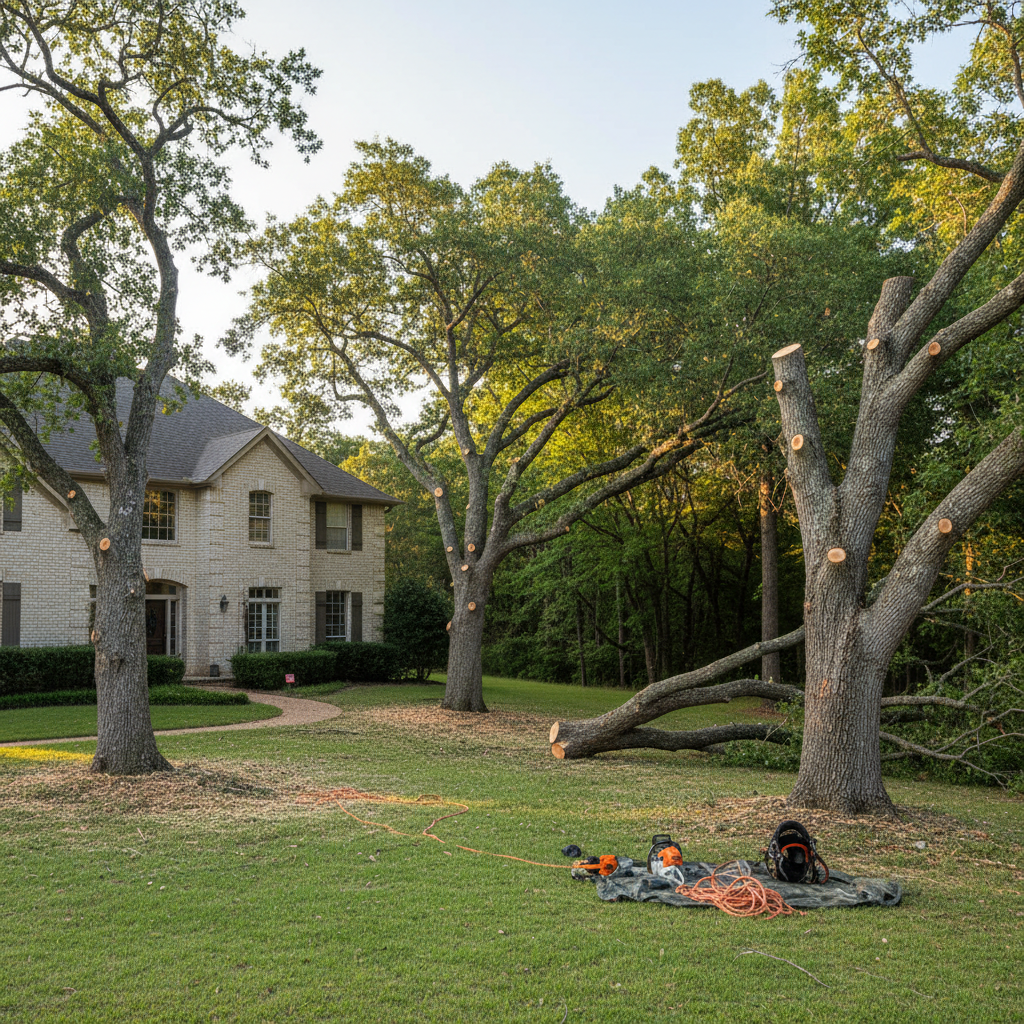
When's the best time to trim your trees around here? That's a question I get a lot, and for good reason. La Grange weather isn't always predictable, and what's good for one tree might not be right for another. But there are some general rules of thumb, especially if you want to keep your trees healthy and your property safe.
Timing Your Trims: It's All About the Seasons
For most deciduous trees – that's the kind that loses its leaves in the fall – the dormant season is usually ideal. That means late fall, winter, or early spring, before the new buds really start to swell. Why then? Well, for starters, it's easier for us to see the tree's structure without all those leaves in the way. We can spot dead or crossing branches more clearly, and make better cuts.
Plus, when a tree is dormant, it's less stressed by the pruning. It's not actively growing, so it can recover more easily. You'll often hear folks say, "Don't prune in the spring!" and they're not wrong if they're talking about heavy pruning. Spring is when trees are putting a ton of energy into new growth, and big cuts can really set them back or even invite pests and diseases.
Evergreen trees, like pines or cedars, are a bit different. They don't have a true dormant period in the same way. For these guys, light shaping can be done almost any time, but if you're doing more significant work, it's still best to avoid the peak heat of summer or the coldest parts of winter. Early spring or late fall are usually good bets.
Now, there are always exceptions. If you've got a broken branch from a storm, or a limb that's suddenly posing a hazard, that's an emergency. Don't wait for the "right" season; get it dealt with right away. That's just common sense.
La Grange Weather & Tree Work: What We Look For
Our local climate definitely plays a role in when and how we can work. Here's what I'm always keeping an eye on:
- Wind: This is a big one. High winds make tree work incredibly dangerous, especially when we're up in a bucket truck or climbing. It's not just about us staying safe; it's about controlling where branches fall and protecting your property. If it's too windy, we'll have to reschedule.
- Rain & Wet Conditions: A light drizzle usually isn't a problem, but heavy rain means slippery surfaces, reduced visibility, and often, muddy ground. That last part is important, especially if we need to bring in heavy equipment. We don't want to tear up your yard more than necessary. Plus, climbing wet trees can be risky.
- Extreme Heat: Our La Grange summers can be brutal. While we're used to working in the heat, prolonged extreme temperatures can be tough on both our crew and the trees. We'll often start earlier in the day or adjust schedules to avoid the worst of it.
- Ice & Freezing Rain: This is a definite no-go. Ice makes everything slick and unpredictable. It's just too dangerous for anyone to be up in a tree or operating equipment.
Sometimes, I'll have to call you to reschedule due to weather. It's never something I like to do, but it's always for safety – yours, your property's, and my crew's. I appreciate your understanding when that happens.
Protecting Your Investment Year-Round
Your trees aren't just pretty; they're an investment. They add value to your property, provide shade, and clean the air. Here's how you can help protect them:
- Regular Check-ups: Take a walk around your property once a month or so. Look for anything unusual: dead leaves when they shouldn't be, strange growths, cracks in the trunk, or branches rubbing together. Catching problems early can save a lot of headaches and expense later.
- Watering: Especially during our dry spells, like the ones we've had recently, your trees need water. Young trees need consistent watering for their first few years. Even mature trees, particularly those in the clay soils around here, can suffer from drought stress. A slow, deep watering is much better than frequent, shallow sprinkles.
- Mulch: A good layer of mulch (2-4 inches deep, kept away from the trunk) around the base of your trees does wonders. It helps retain moisture, regulates soil temperature, and suppresses weeds. Just don't pile it up against the trunk like a volcano; that can cause rot.
- Professional Trimming: Don't try to tackle big jobs yourself. I've seen too many DIY attempts go wrong, leading to injured people, damaged property, or worse, permanently damaged trees. We've got the right tools, the training, and the insurance to do it safely and correctly.
- Pest & Disease Monitoring: Keep an eye out for anything that looks off. Discolored leaves, holes in the bark, or unusual sap flows could be signs of trouble. If you're concerned, give Mighty Tree a call. We can assess the situation and recommend the best course of action.
Taking care of your trees is an ongoing process, not a one-time thing. But with a little attention and timely professional help, your trees will thrive and enhance your La Grange home for years to come.