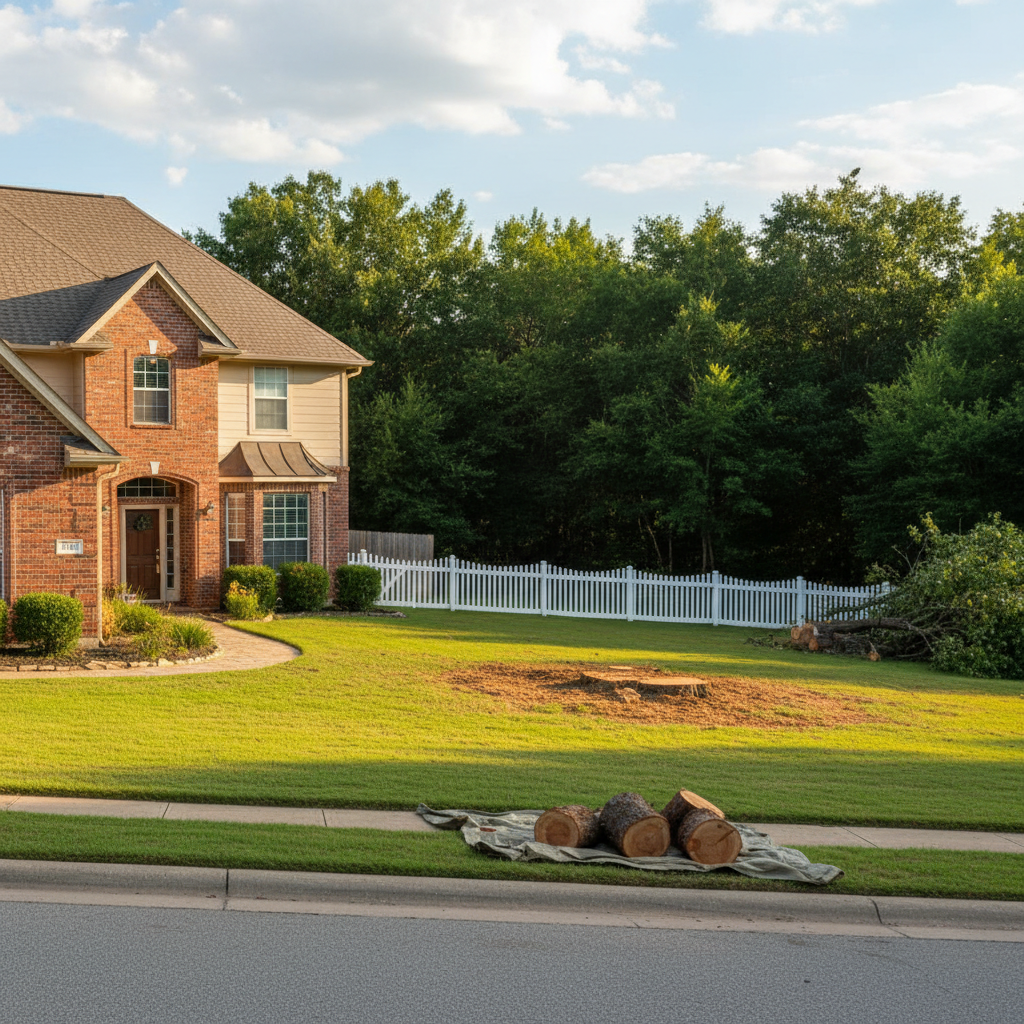
Ever wonder when's the best time to get ahead of those tree problems, especially with our wild Texas weather? Most folks only think about emergency tree removal when a branch has already crashed through their roof or blocked the driveway. And honestly? That's too late.
Understanding La Grange's Weather and Your Trees
Here in La Grange, our climate is pretty unique, and it really puts trees through their paces. We see everything: scorching summer droughts that weaken root systems, sudden, violent thunderstorms with high winds and heavy rain. Oh, and let's not forget those ice storms that roll through every few years, coating everything in a heavy, brittle layer. Any of these weather patterns can turn a seemingly healthy tree into a hazard overnight, just like that.
Think about the soil, too. A lot of us are on that heavy clay stuff. When it's dry, it's like concrete, but when it gets totally saturated—especially after a long drought—trees can just lose their footing. That's when you see those big, old pecan trees in neighborhoods like the historic district suddenly uprooting during a strong gust. It's a real shame.
When to Schedule Emergency Tree Removal (Before It's an Emergency)
This might sound a little backward, but the best time to schedule 'emergency' tree removal is when there's no emergency at all. You really want to be proactive. Here's what I mean:
- After a major weather event (but before the next one): If we just had a bad storm and your trees made it through, great. But now's the time to look for hidden damage. Cracked limbs, leaning trunks, or branches that look like they're about to snap. Don't wait for the next storm to finish the job, okay?
- During the dormant season (late fall/winter): This is often a fantastic time for tree work. The leaves are down, so we get a much clearer view of the tree's structure and any weaknesses. Plus, the ground is usually firmer, making it easier to maneuver equipment without tearing up your yard. It's also typically a less busy time for tree service companies, so you might have more flexibility in scheduling.
- When you notice red flags: Don't ignore the signs. If a tree suddenly leans, has large dead branches, or shows significant decay around its base, it's basically a ticking time bomb. Get it looked at immediately.
What Weather Conditions Affect Our Work?
When you call us for an emergency, we're going to respond as fast as we possibly can. But some weather conditions make the work incredibly dangerous, or even impossible, until they pass. We're talking about the safety of our crew, your property, and the public, after all.
- High Winds: Trying to cut down a compromised tree in high winds is just asking for trouble. Branches can snap unpredictably, and the tree could fall in an unintended direction. We usually have to wait for winds to die down.
- Heavy Rain/Flooding: While we can work in light rain, heavy downpours reduce visibility and make surfaces super slippery. Flooded areas are a definite no-go, both for safety and to prevent further damage to your property from heavy equipment.
- Lightning: Absolutely no tree work during lightning storms. Period.
- Ice: Ice makes everything slick and heavy. It's incredibly dangerous to climb or operate equipment when branches are coated in ice.
These aren't excuses; they're safety protocols. We want to solve your problem, but we have to do it safely.
Protecting Your Investment Year-Round
Your trees are a big investment, adding value and beauty to your property. Protecting them means more than just calling us after a storm. It's about consistent, smart care, you know?
First, regular inspections. Walk around your property once a month. Look for anything out of the ordinary: strange growths, sudden leaf drop, cracks in the trunk. The sooner you catch a problem, the easier it is to fix.
Second, proper pruning. This isn't just about making a tree look pretty. It's about removing dead or weak branches that could become hazards in a storm. It's about improving the tree's structure so it can better withstand high winds.
Third, good watering practices, especially during those long La Grange dry spells. Deep, infrequent watering is better than shallow, frequent watering. It encourages deeper root growth, making the tree more stable.
And finally, don't ignore professional advice. If I or another arborist from Mighty Tree tells you a tree is a risk, we're not just trying to sell you something. We've seen what happens when those warnings are ignored. We're here to help you keep your property safe and your trees healthy. A little proactive planning goes a long, long way.