So, you've got some land in La Grange you're looking to clear. Maybe you're putting up a new building, expanding your yard, or perhaps you just bought a place that's been left to grow wild for years. Whatever the reason, land clearing isn't just about firing up a chainsaw and going to town. There's actually a lot to know, and I hear a lot of the same questions from folks around here. Let's dig into them.
Do I need a permit to clear land in La Grange?
This is probably the most common question I get, and it's a smart one. The quick answer is: maybe. It really depends on what you're doing and where your property sits. If you're just tidying up an existing residential lot, clearing some overgrown brush and small saplings to make your yard look better, you probably won't need a permit from the City of La Grange. But if you're talking about taking out a bunch of mature trees – especially if they're over a certain size – or if you're clearing a big chunk of land for new construction, then yes, you absolutely need to check with the city's planning department. Or Fayette County, if you're outside city limits. They'll fill you in on any tree ordinances, stormwater rules, or other requirements. Seriously, don't skip this step; fines are way more expensive than a quick phone call.
What's the difference between land clearing and tree removal?
Good question, because people often use these terms like they're the same thing, but they're not quite. Tree removal usually focuses on taking out specific trees – maybe they're sick, dead, or just in the way of a new fence. Land clearing, though, is a much bigger deal. It's about systematically getting rid of all the vegetation – trees, brush, stumps, rocks, debris – from a specific area to get it ready for something new. Think building a home, putting in a pasture, or creating a whole new landscape. It's a larger, more intense job that often needs heavy machinery.
How long does land clearing usually take?
How long is a piece of string? Honestly, it varies wildly. A small residential lot with light brush might take us a day or two. But a multi-acre tract with dense, mature trees and a lot of undergrowth could easily take weeks, especially if there's a lot of stump grinding or debris removal involved. Things like the size of the area, the type and density of what's growing there, how easy it is to get to the site, weather conditions (you can't do much in a downpour, can you?), and what you want done with the debris all play a role. When Mighty Tree gives you an estimate, we'll also give you a realistic timeframe based on what we see.
What happens to all the trees and brush after clearing?
You've got a few choices here, and it's something we always talk about upfront. The most common ways we handle it are:
- Hauling away: We can load up all the debris and take it to a proper disposal site. This is often the cleanest option, but it does add to the cost because of transport and disposal fees.
- Chipping: Smaller branches and brush can go through a wood chipper. You can then use the chips as mulch right there on your property, or we can haul them away.
- Burning: If you're outside city limits and have plenty of space, burning can be an option. But you absolutely MUST check with the Fayette County Sheriff's Office and local fire department first for burn bans and regulations. You really don't want to accidentally start a wildfire, especially during our hot, dry summers.
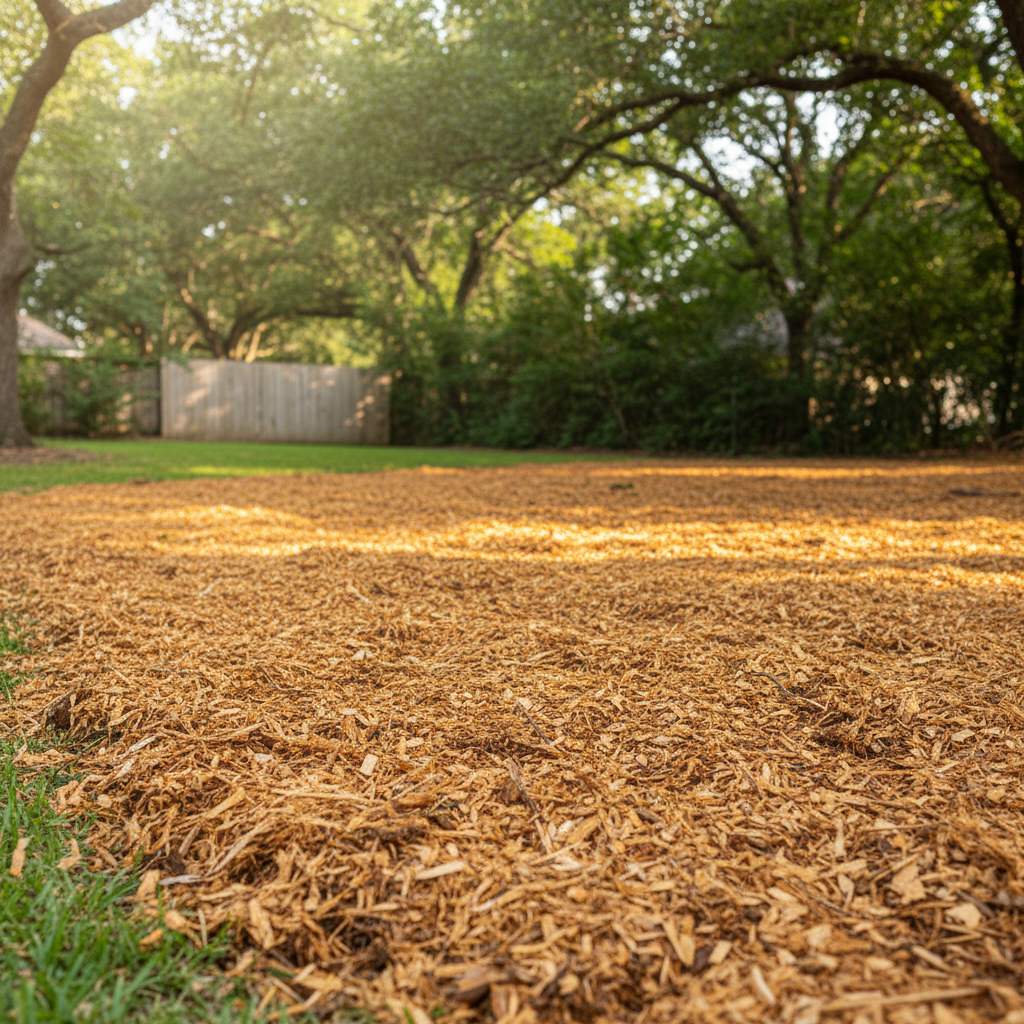
- Grinding/Mulching in place: For bigger areas, especially if you want to put nutrients back into the soil, we can use special equipment to grind up trees and brush right where they stand. This creates a layer of organic material.
Will clearing my land affect drainage or soil erosion?
Absolutely, it can, and this is a big one, especially with the clay soils we have around La Grange. Taking out a lot of vegetation, especially trees, changes how water moves across your property. Trees soak up a tremendous amount of water, and their root systems help hold soil in place. When you remove them, you can increase runoff, which often leads to erosion, particularly on slopes. It can also mess with natural drainage patterns, potentially causing water to pool where it never did before, or even directing it straight towards your foundation. It's super important to think about your land's topography and plan for proper drainage and erosion control measures, like grading or planting new ground cover, after clearing.
How much does land clearing cost?
This is like asking how much a car costs, right? It depends entirely on the scope of work. Factors include the size of the area, how dense and what type of vegetation is there, whether stump grinding is needed, the method for getting rid of debris, and how easy it is to access the site. For example, clearing a heavily wooded acre with large oak trees and hauling away all debris will cost significantly more than clearing an acre of light brush and chipping it on-site. We always give you a detailed, itemized quote after a site visit so you know exactly what you're paying for. Don't just go for the cheapest bid; make sure they're insured and really understand the local regulations and environmental considerations.
Land clearing is a big undertaking, but when it's done right, it sets your property up perfectly for whatever you've got planned. Just make sure you're working with pros who know what they're doing and can guide you through the whole process, from start to finish.