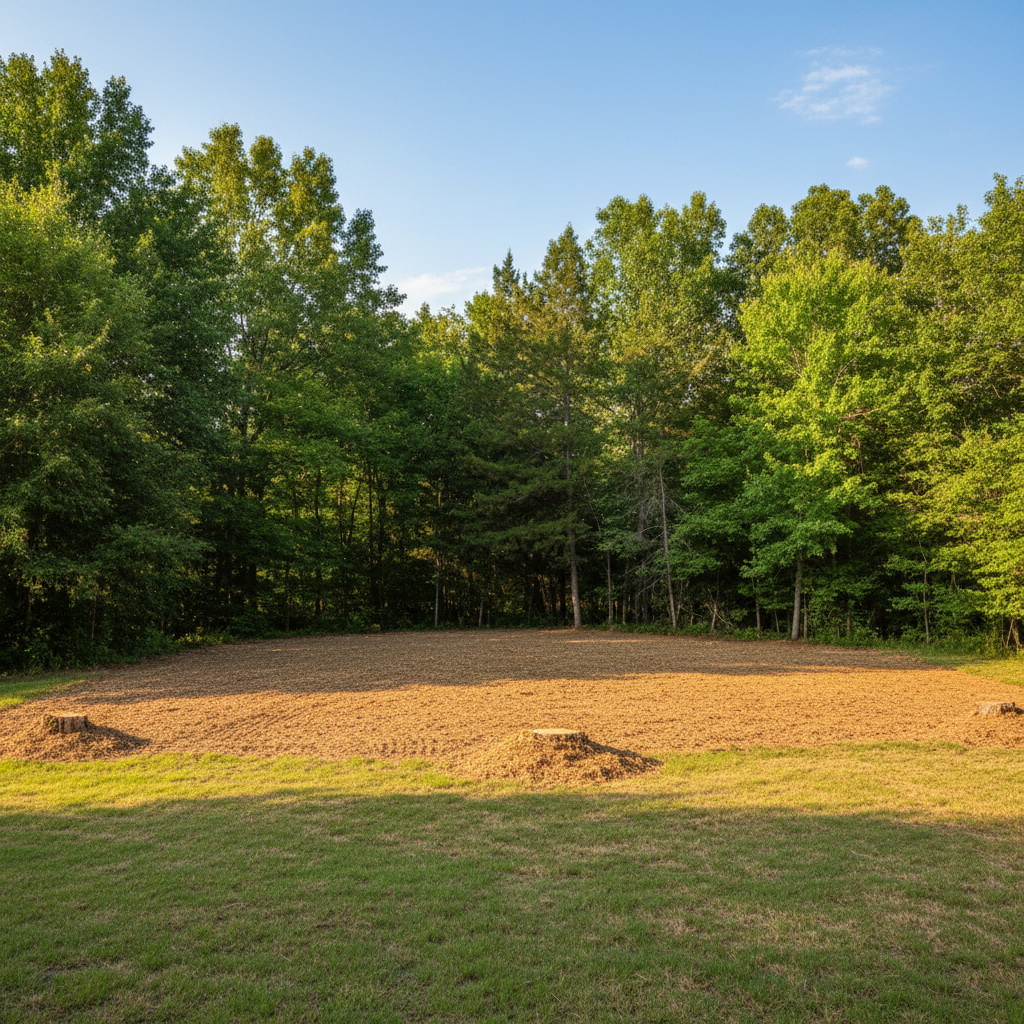
So, you've gone through the trouble of clearing your land, whether it was for a new build, a pasture, or just to reclaim some space. That's a big job, and it feels good to see that open ground. But here's the thing: nature doesn't just give up. Left alone, it'll start creeping back in faster than you'd think, especially around here.
I've seen it countless times. Folks get their land cleared, and then they figure the job's done for good. A year or two later, they're looking at saplings popping up, brush thickening, and all that hard work starting to disappear. You don't want that. You want to protect your investment and keep that land clear and usable for the long haul. It's not rocket science, but it does take a little regular attention.
Extending the Life of Your Land Clearing
The biggest mistake people make is thinking 'one and done.' Land clearing is more like getting your teeth cleaned; you do it, but then you still have to brush every day. To really make that clearing last, you need a plan.
- Know Your Goal: What's the land for? If it's a pasture, you'll manage it differently than if it's a future homesite. If it's for fire prevention, you'll focus on keeping fuel loads low.
- Prevent Erosion: This is huge in Texas, especially with our heavy rains. Bare soil, especially on slopes, can wash away fast. Consider planting native grasses or ground cover quickly after clearing. This stabilizes the soil and makes it harder for invasive weeds to take hold. I've seen too many creek banks in Fayette County get eaten away after a big clearing job because nobody thought about erosion control.
- Manage Stumps and Roots: If stumps weren't ground down, they can sprout back. Treat them with an appropriate herbicide or plan to remove them if they're a persistent problem. For smaller areas, you might even consider bringing in some livestock, like goats, which are fantastic for munching down new growth.
What Regular Maintenance Looks Like
This isn't about doing another full-scale clearing every year. It's about staying on top of things.
- Mowing or Shredding: For larger areas, regular shredding (think once or twice a year, depending on growth) is your best friend. This knocks down young saplings and keeps grasses and weeds from getting out of control. It's much easier to shred a 3-foot mesquite sapling than to clear a 10-foot, thorny monster.
- Spot Treatment: Keep an eye out for individual invasive plants or stubborn sprouts. A targeted herbicide application can take care of them before they spread. You don't need to spray the whole property, just hit the problem areas.
- Perimeter Patrol: The edges of your cleared land are usually where the encroachment starts. Walk your fence lines and property boundaries regularly. Pull out small saplings by hand, or use a brush cutter for thicker patches.
- Drainage Checks: After a big rain, walk your property. Are there new ruts forming? Is water pooling where it shouldn't? Addressing drainage issues early can prevent major erosion problems down the road.
Warning Signs of Problems
Your land will tell you when it needs attention. You just have to know what to look for.
- New Sprouts Everywhere: If you start seeing a carpet of tiny oak or cedar sprouts, especially after a good rain, that's your first warning. They grow fast here.
- Thickening Underbrush: Are those small bushes getting denser? Is it harder to walk through certain areas? That's the brush trying to reclaim its territory.
- Erosion Channels: Look for small gullies or channels forming, especially on sloped areas or near water bodies. This means soil is moving, and you need to act quickly to prevent bigger issues.
- Invasive Species Taking Over: Keep an eye out for plants that weren't there before, especially aggressive ones like Privet or Tallow. They can outcompete native plants and quickly become a major problem.
When to Call a Professional (Like Mighty Tree)
While a lot of maintenance you can handle yourself, there are times when it's smart to bring in the pros.
- Overwhelmed by Regrowth: If you've let it go for too long and the saplings are now small trees, or the brush is too thick for your shredder, it's time to call us. We've got the heavy equipment to get it back to square one efficiently.
- Hazardous Trees/Stumps: If you have large stumps that need grinding, or dead/diseased trees that pose a risk, don't try to tackle them yourself. That's a job for specialized equipment and experienced operators.
- Complex Drainage Issues: If you're seeing significant erosion, or if water is consistently pooling and causing problems, you might need a professional assessment for proper grading and drainage solutions.
- New Project Preparation: If you're planning a new construction, an expansion, or need a large area cleared for a specific agricultural purpose, a professional land clearing company like Mighty Tree can ensure the job is done right the first time, setting you up for easier maintenance down the road. We can also advise on the best methods for your specific soil type and future plans.
- Time or Equipment Constraints: Let's be honest, not everyone has the time, the right equipment, or the physical ability to do all this work. That's perfectly fine. We're here to help when you need that extra muscle and machinery.
Keeping your land clear isn't a one-time event; it's an ongoing process. But with a little effort and knowing when to call in the cavalry, you can keep your La Grange property looking exactly how you want it for years to come.