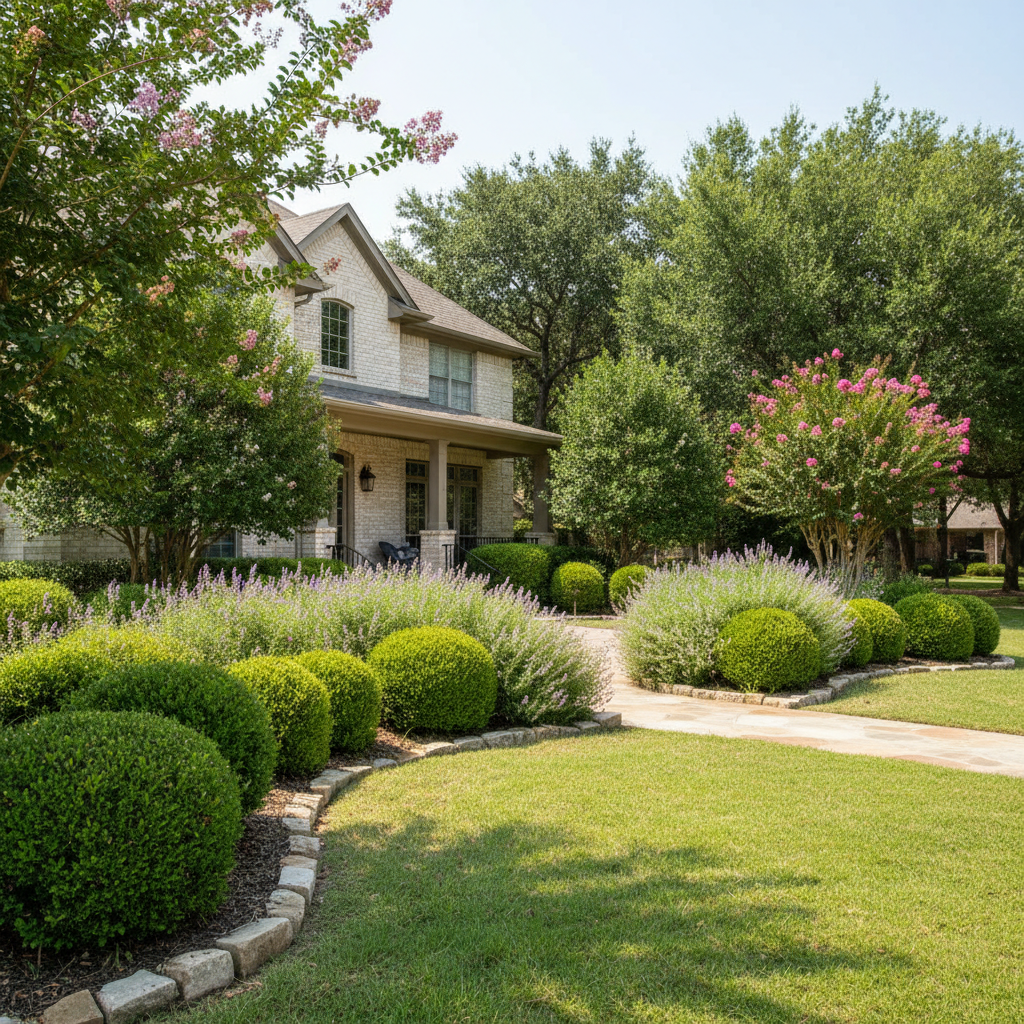
You've got some bushes or shrubs that are looking a little wild, right? Maybe they're blocking a window, or just generally making your yard look unkempt. So, you decide it's time for a trim. Sounds simple enough, but I've watched folks around La Grange make some real blunders on this front, and it usually ends up costing them more time, money, or even the plant itself.
Mistake #1: Thinking All Trimming is the Same
This is a big one. People often think 'trimming' is a one-size-fits-all job. It's not. There's maintenance trimming, which is just light shaping and removing dead bits. Then there's structural pruning, which is more about guiding the plant's growth, improving air circulation, and sometimes reducing its size significantly. And then there's rejuvenation pruning, which is basically cutting a plant way back to encourage new growth. If you don't know what kind of trim your plant needs, you could be doing more harm than good.
For example, some plants, like crape myrtles, can handle a hard cutback in late winter, but if you do that to an azalea at the wrong time, you'll lose all its blooms for the next year. Knowing your plants and their specific needs is crucial. A good pro will ask you what you're trying to achieve and tell you what's best for that particular bush.
Mistake #2: Hiring the Cheapest Guy with a Truck
Look, I get it. Everyone wants to save a buck. But when it comes to something that affects the health and appearance of your landscape, going for the absolute cheapest option is almost always a mistake. You're not just paying for someone to hack at your bushes; you're paying for their knowledge, their experience, and their proper tools.
I've seen guys show up with dull shears or, even worse, hedge trimmers for everything. Hedge trimmers are great for shaping hedges, sure, but for most shrubs and bushes, you need hand pruners and loppers for clean, precise cuts. Hacking away with a hedge trimmer on a plant that needs selective pruning can leave it looking unnatural, stressed, and more susceptible to disease. Ask about their tools. Ask about their experience. Don't be afraid to get a few quotes, but don't let price be the only factor.
Mistake #3: Trimming at the Wrong Time
Timing is everything when it comes to pruning. Trim a spring-flowering shrub in late winter or early spring, and you're cutting off all the buds that would have turned into beautiful flowers. Trim an evergreen in late fall, and the new growth it tries to put out might get zapped by a sudden cold snap we sometimes get around here, especially in those open, windy areas outside of town.
Generally, deciduous shrubs that flower on old wood (like azaleas, forsythia, lilac) should be pruned right after they finish flowering. Those that flower on new wood (like hydrangeas, roses, crape myrtles) are usually best pruned in late winter or early spring before new growth starts. Evergreens can often be lightly trimmed anytime, but major pruning is best done in late winter or early spring. If you're unsure, ask a local expert. They'll know the best timing for the plants common in our La Grange climate.
Mistake #4: Not Considering the Long-Term Growth
A lot of folks trim their bushes just to get them away from the house or off the sidewalk, without thinking about how the plant will grow back. This often leads to what we call 'topping' or 'lion-tailing,' where all the growth is at the top or ends of branches, leaving the middle bare and weak. This isn't just ugly; it can make the plant unhealthy and unstable.
When you prune, you should be thinking about the plant's natural shape and how to encourage healthy, balanced growth. You want to open up the canopy for good air circulation, remove crossing branches, and maintain a strong structure. A good trim isn't just about making it look neat today; it's about setting it up to thrive for years to come. That's the kind of thoughtful work we do at Mighty Tree.
Mistake #5: Neglecting Clean-Up and Tool Hygiene
This might seem minor, but it's not. Leaving a mess of clippings around your plants can invite pests and diseases. And using dirty tools? That's a surefire way to spread diseases from one plant to another. If a crew isn't cleaning up thoroughly or, even worse, if they're not cleaning their tools between jobs or even between different plants in your yard, that's a huge red flag.
Always make sure your chosen service is meticulous about clean-up and that they're using sharp, clean tools. It's a small detail that speaks volumes about their professionalism and care for your landscape's health.
So, before you grab those shears or call up the first number you find, take a moment to think about these common mistakes. A little planning and a little knowledge can save you a lot of headache and ensure your shrubs and bushes look great and stay healthy for a long time.